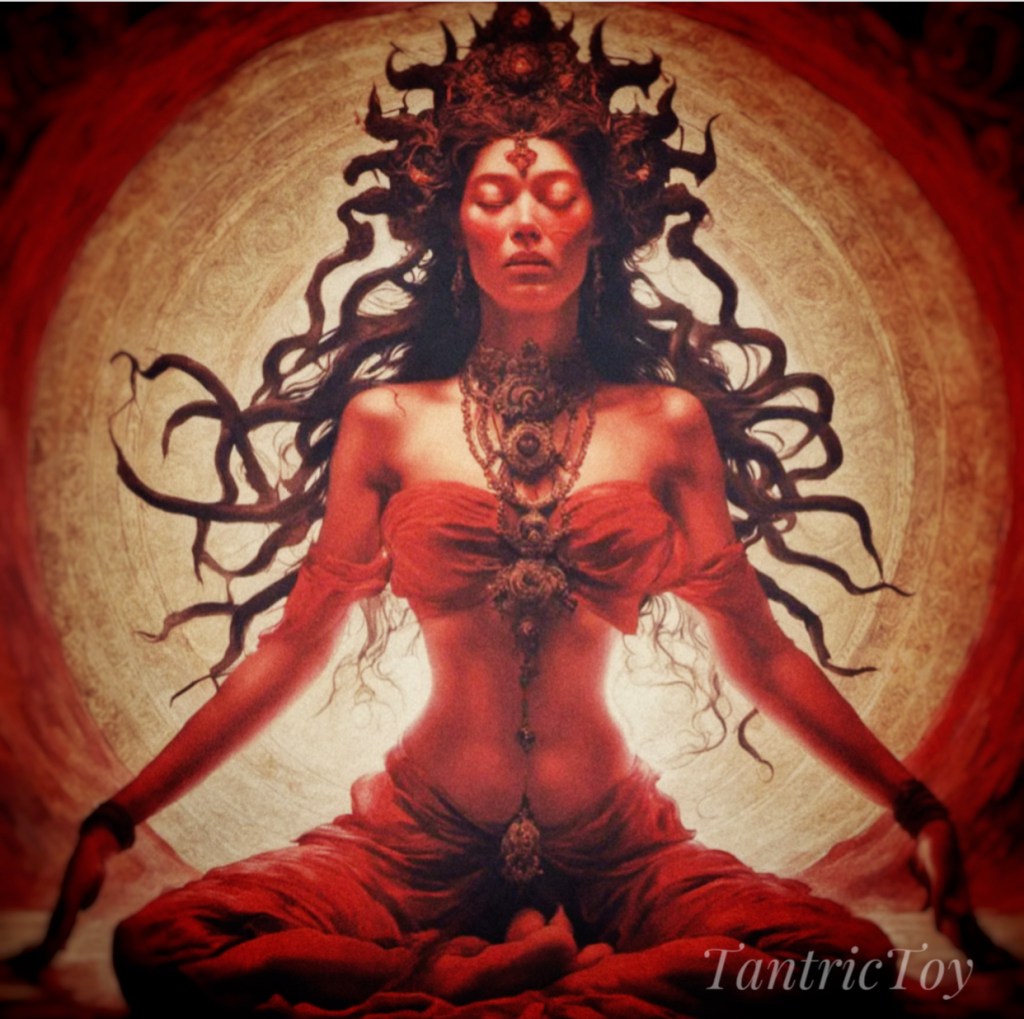
Embracing the Sacredness of Sex in Tantric Buddhism
In the realm of tantra, sex is often a topic of curiosity and speculation. However, it is crucial to understand that in tantric Buddhism, sex is not the sole focus of the practice. Instead, it is viewed as a potential path towards awakening, but one that requires careful consideration and discernment.
Contrary to popular misconceptions, tantric Buddhism does not advocate casual sex or engaging in sexual activities with non-tantric Buddhists as a divine path. Rather, it recognizes the importance of ethical conduct and the cultivation of a sacred intention in all aspects of life, including sexuality.
In the tantric Buddhist tradition, the aim is not simply to indulge in physical pleasure or pursue sexual encounters for their own sake. Instead, the focus lies on transforming the ordinary sexual experience into a sacred and transformative act. This entails cultivating a deep connection with oneself, one’s partner, and the divine, while maintaining a mindful awareness of the impermanent and illusory nature of sexual desire.
Within tantric Buddhism, sexual energy is seen as a powerful force that can be harnessed for spiritual growth and awakening. It is viewed as a metaphorical representation of the unity and interplay of masculine and feminine energies within ourselves. Through the skillful use of this energy, practitioners can transcend dualistic perceptions and experience a profound sense of unity and interconnectedness.
However, it is important to note that engaging in sexual practices within tantric Buddhism requires a strong foundation in ethical conduct, a deep understanding of the teachings, and the guidance of a qualified teacher. These practices are not meant for casual exploration or to be pursued without proper preparation and discernment.
The emphasis in tantric Buddhism is not on the physical act of sex itself, but rather on the cultivation of pure intention, deep connection, and the integration of wisdom and compassion. It is a path that encourages practitioners to recognize and transform their attachments, desires, and delusions, ultimately leading to the realization of the true nature of reality.
Sexual practices within tantric Buddhism often involve specific rituals, visualizations, and meditations that serve as a means of harnessing and sublimating sexual energy. These practices are typically reserved for advanced practitioners who have received proper initiation and guidance. They are not intended for casual exploration or self-indulgence.
Furthermore, it is crucial to understand that the ultimate goal of tantric Buddhism transcends the physical realm and the attachment to sensual pleasures. It is a path that aims for the realization of emptiness, the understanding of the illusory nature of phenomena, and the cultivation of wisdom and compassion.
In conclusion, tantric Buddhism recognizes the potential transformative power of sexual energy, but it does not place sex as the primary focus of the practice. Instead, it invites practitioners to cultivate a mindful awareness of their desires, to approach sexuality with sacred intention and ethical conduct, and to utilize sexual energy as a means of spiritual growth and awakening.
If Tantric Buddhism is not all about sex then what is it about?
In the realm of spirituality, there exists a practice that has often been misunderstood and misrepresented – tantra. The mere mention of the word conjures up images of sexual acts, devil-worship, and violence in the minds of many. However, these misconceptions stem from a lack of understanding and a limited perspective.
To truly grasp the essence of tantra, we must first address the confusion surrounding its imagery. Buddha-figures depicted as couples in union, surrounded by flames and with demonic faces, have been a source of shock and disturbance for early Westerners. These images, however, do not represent the exploitation of women or the glorification of violence. Rather, they symbolize the integration of masculine and feminine principles within oneself.
It is important to note that tantra is not a degenerate form of Buddhism, as some have mistakenly believed. When tantra first arrived in Tibet, there was a misinterpretation of the imagery, leading to assumptions of ritualized sex and blood sacrifice. To rectify this confusion, Indian masters were invited to clarify the teachings during the second spread of Buddhism in Tibet.
While some early Westerners viewed tantra’s imagery as depraved, others recognized its symbolic significance. They saw the union of the couples as representing the integration of complementary energies within oneself. Similarly, early Tibetans found the imagery erotic, appreciating the promise of attaining extraordinary powers. It is crucial, however, not to confuse the symbolic representation with the pursuit of exotic sexual techniques or the justification of one’s obsession with sex.
In the realm of tantra, the union of masculine and feminine energies is not a literal physical act, but rather a metaphorical representation of a blissful state of mind achieved through advanced yoga techniques. This state helps to reach the subtlest levels of the mind, allowing for the realization of emptiness. The union of method and wisdom, represented by the father and mother figures, signifies the blissful aspect of this union but does not advocate regular sexual practices as a tantric method.
It is worth noting that the advanced stages of tantra may involve specific postures and practices between a man and a woman. However, it is essential to understand that these practices require advanced spiritual development and control over one’s energies and mind. They are not the main focus of tantra and are not suitable for beginners.
To dispel any concerns of sexism or male dominance, one of the tantric vows is to treat women with respect and equality. This commitment ensures that tantra promotes a balanced and harmonious relationship between partners.
Misunderstandings about tantra persist due to its emphasis on secrecy regarding its teachings and imagery. However, this secrecy is not to hide something perverse, but rather to prevent misconceptions. Only those who have undergone sufficient study and meditation can truly understand tantra in its proper context.
Tantra is not a path of indulgence or exploitation; it is a profound spiritual practice that requires dedication, discipline, and a deep understanding of its principles. By unraveling the mysteries of tantra and delving into its true essence, we can appreciate its significance for personal growth and spiritual development.
Embracing Ethical Tantra: Unmasking Misconceptions and Embracing Emptiness
As we continue our journey into the realm of tantra, it is essential to address the ethical aspects of this spiritual practice. Tantra, often misunderstood and misinterpreted, has faced criticism regarding its approach to behavior and its understanding of emptiness. In this chapter, we will debunk these misconceptions and shed light on the transformative power of ethical tantra.
One common misconception about tantra is that it promotes hedonism and indulgence, encouraging individuals to satisfy their desires without restraint. However, this notion could not be further from the truth. Ethical tantra encourages practitioners to develop a deep sense of self-awareness and self-discipline.
Tantric practitioners understand that attachment to desires and the pursuit of sensual pleasures can lead to suffering and dissatisfaction. Instead, tantra invites us to explore the nature of desire, to understand its roots, and to transform our relationship with it. By cultivating mindfulness and discernment, we can develop a healthier and more balanced approach to our desires, recognizing their impermanence and the potential for suffering they may bring.
Furthermore, tantra emphasizes the importance of ethical conduct in our interactions with others. The tantric path encourages practitioners to embody qualities such as compassion, kindness, and respect for all beings. It encourages us to cultivate harmonious relationships, both intimate and platonic, based on mutual trust, consent, and equality.
Contrary to misconceptions, tantra does not condone exploitative or non-consensual behavior. In fact, one of the fundamental principles of ethical tantra is the recognition of every individual’s autonomy and the importance of obtaining clear consent in all interactions. Tantra teaches us to honor and value the boundaries of others, fostering a safe and respectful environment for personal and spiritual growth.
Another misconception surrounding tantra is its understanding of emptiness. Emptiness, in the context of tantra, refers to the ultimate nature of reality, the absence of inherent existence. Some critics mistakenly interpret this concept as nihilism or a denial of the world and its experiences. However, tantra invites us to embrace the paradoxical nature of emptiness, recognizing that it is not a negation of existence but a profound understanding of its interconnectedness and interdependence.
Through the practice of tantra, we learn to see beyond the illusory nature of dualistic perceptions and to cultivate a deep sense of interconnectedness with all beings and phenomena. Embracing emptiness allows us to transcend limited views and expand our understanding of the world, fostering compassion, and empathy for all.
In conclusion, ethical tantra unveils its true essence as a transformative spiritual practice rooted in self-awareness, self-discipline, and ethical conduct. By dispelling misconceptions surrounding its approach to behavior and its understanding of emptiness, we can embrace the profound impact that tantra can have on our lives.
Exploring the Transformative Practices of Tantra
In this section, we will embark on a journey to uncover some of the key practices within tantra that can enhance our personal and spiritual growth.
Breathwork, also known as pranayama, serves as a foundational practice in tantra. Through conscious control and regulation of the breath, we can tap into the subtle energy within us, known as prana or life force. By engaging in specific breathing techniques, such as alternate nostril breathing or breath retention, we can balance our energy, calm the mind, and cultivate a deeper connection with our inner self. Breathwork is a powerful tool that allows us to access heightened states of awareness and open the doors to expanded consciousness.
Meditation is another essential practice within tantra. Through the cultivation of mindfulness and concentration, we can observe the fluctuations of the mind and transcend the limitations of our thoughts and emotions. Tantra offers various meditation techniques, such as mantra repetition, visualization, and objectless awareness. These practices help us develop a clear and focused mind, enabling us to experience the present moment fully and connect with our inner wisdom.
Sacred rituals and ceremonies play a significant role in tantra, providing a framework for spiritual exploration and transformation. These rituals often involve the use of symbols, mantras, and visualization to invoke specific energies and states of consciousness. Tantric rituals can range from elaborate ceremonies to simple daily practices, such as puja or devotional offerings. Engaging in these rituals with reverence and intention allows us to deepen our connection with the divine and cultivate a sense of sacredness in our lives.
Yoga, in its broader sense, is an integral part of tantra. It encompasses not only physical postures but also the ethical principles and spiritual practices that guide our actions and intentions. Through the practice of yoga, we cultivate physical strength, flexibility, and balance, while also nurturing the qualities of discipline, self-control, and self-awareness. By integrating the physical, mental, and spiritual aspects of yoga, we can align ourselves with the deeper wisdom of tantra and experience profound transformation.
The exploration of tantric sexuality is a topic that often piques curiosity, but it is crucial to approach it with respect, understanding, and consent. Tantra recognizes the potential for sexual energy to be a potent force for spiritual awakening and union. However, it emphasizes that this practice is only suitable for those who have developed a strong foundation in ethical conduct and spiritual maturity. When approached with reverence and a deep understanding of the energetic dynamics involved, tantric sexuality can open doors to profound intimacy, connection, and self-transcendence.
In conclusion, tantra offers a vast array of transformative practices that can guide us on our journey of personal and spiritual growth. Through breathwork, meditation, sacred rituals, yoga, and the exploration of tantric sexuality, we can tap into the inherent power within us, expand our consciousness, and cultivate a deeper connection with ourselves and the world around us.
 Submissive Rose: Embracing Pleasure, Surrender, and the Art of Submission